sound
how does sound translate into shared, embodied experiences in the places we come together? searching for answers led the community of possibilities open studio (pos) deeper into sound system culture, open source knowledge sharing, and accessible speaker design, and so, possibilities of sound was born.
constant directivity
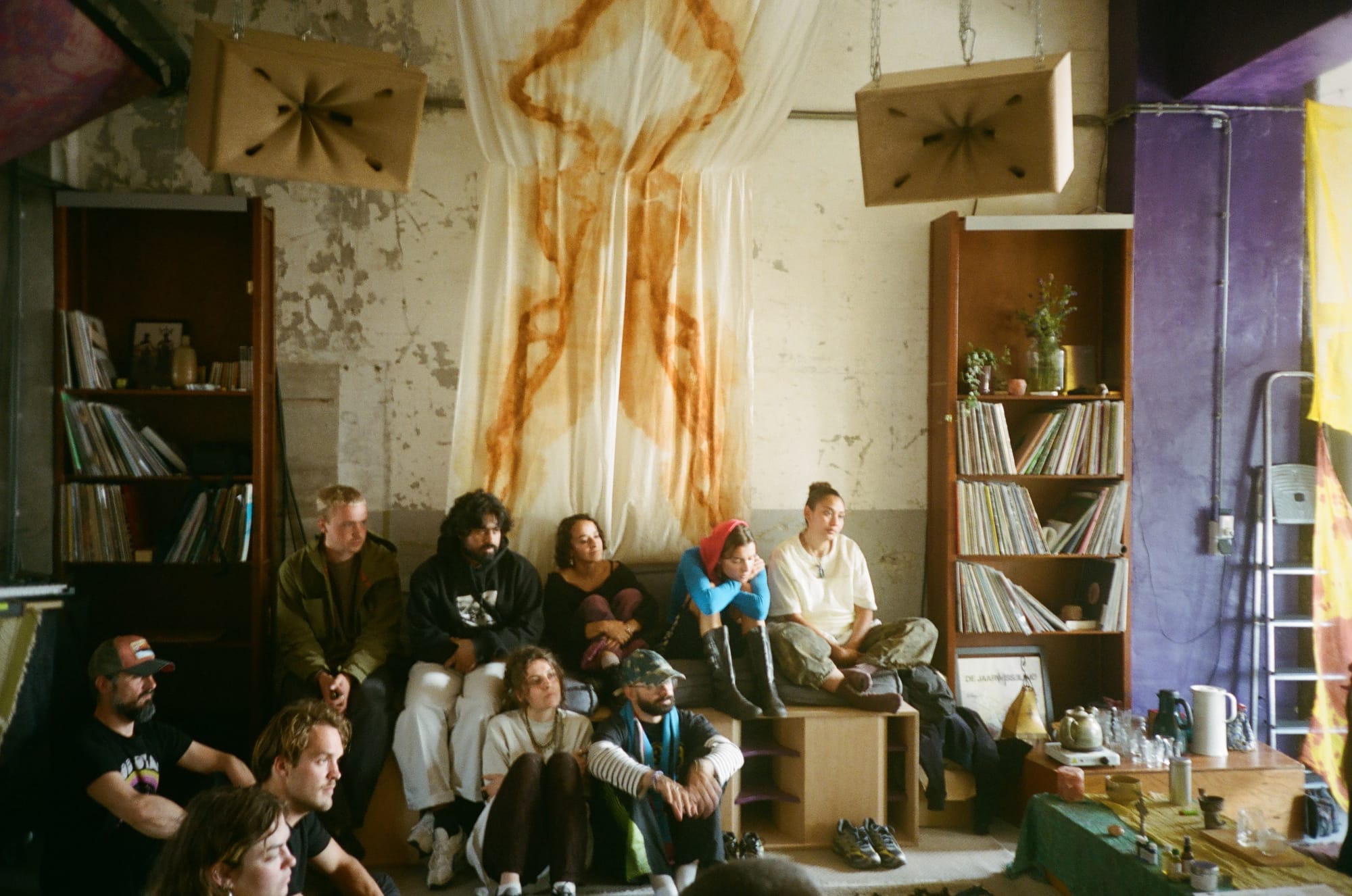
from early on, possibilities of sound set out to give everyone in the room an equal experience. constant directivity is the foundation for that: the even distribution of sound across a space, and across the frequency spectrum.
our ears are especially sensitive to mid and high frequencies. when there's too much energy there relative to the rest, the brain compensates, a protective mechanism that explains why some systems feel tiring even at moderate volume, while others feel effortless when loud.
when constant directivity is in place, something opens up beyond the technical: the body relaxes, in this way, we are pursuing deeper connections with oneself, each other and our surroundings.
all foundational elements of what soundsystem culture brings to the people.
open waveguide: open-source software and acoustic design
precise, custom-tuned sound used to belong to professional sound manufacturers, think big budgets, mass production and corporate-driven research. the idea here is to build the tools and know-how to put within reach of the makers, facilitators and community-driven projects. open & shared: because we like sharing.
this is the Open Waveguide project: an open-source software connecting 3D printing with horn design simulation in one workflow, designing backwards from the desired sound rather than testing a shape after the fact. form follows the goal.
once released, anyone will be able to run it on a home computer, putting the kind of customisation once reserved for well-funded manufacturers directly into the hands of the DIY soundsystem community, injecting knowledge and resources into builders already doing this work with limited means.
to develop this tool we are working closely with JW Sound and fellow researchers, supported by Stimuleringsfonds & Cultuurloket DigitALL.
first release expected: october 2026
sound manufacturing
every space is different and requires different needs. throughout our projects for custom sound experiences, we've explored a range of manufacturing possibilities: FDM 3D printing, woodworking, large-format 3D printing with CNC, and binder jetting.
plywood and woodworking are accessible and reliable, but limited to flat surfaces and straight angles. FDM 3D printing opened things up for DIY builders, though it stays limited in size. for shapes that need to go bigger or more complex, we turn to large-format 3D printing, CNC milling, and binder jetting with wood fibres, methods usually reserved for industrial production.
one of these larger-scale explorations began in 2024, with a spontaneous meeting in Berlin with David, then starting as a design engineer at 3DMZ, an innovation hub for 3D printing and robotics. the timing was right, 3DMZ had the space and equipment to print speakers, and building a custom sound system for the first time felt within reach.
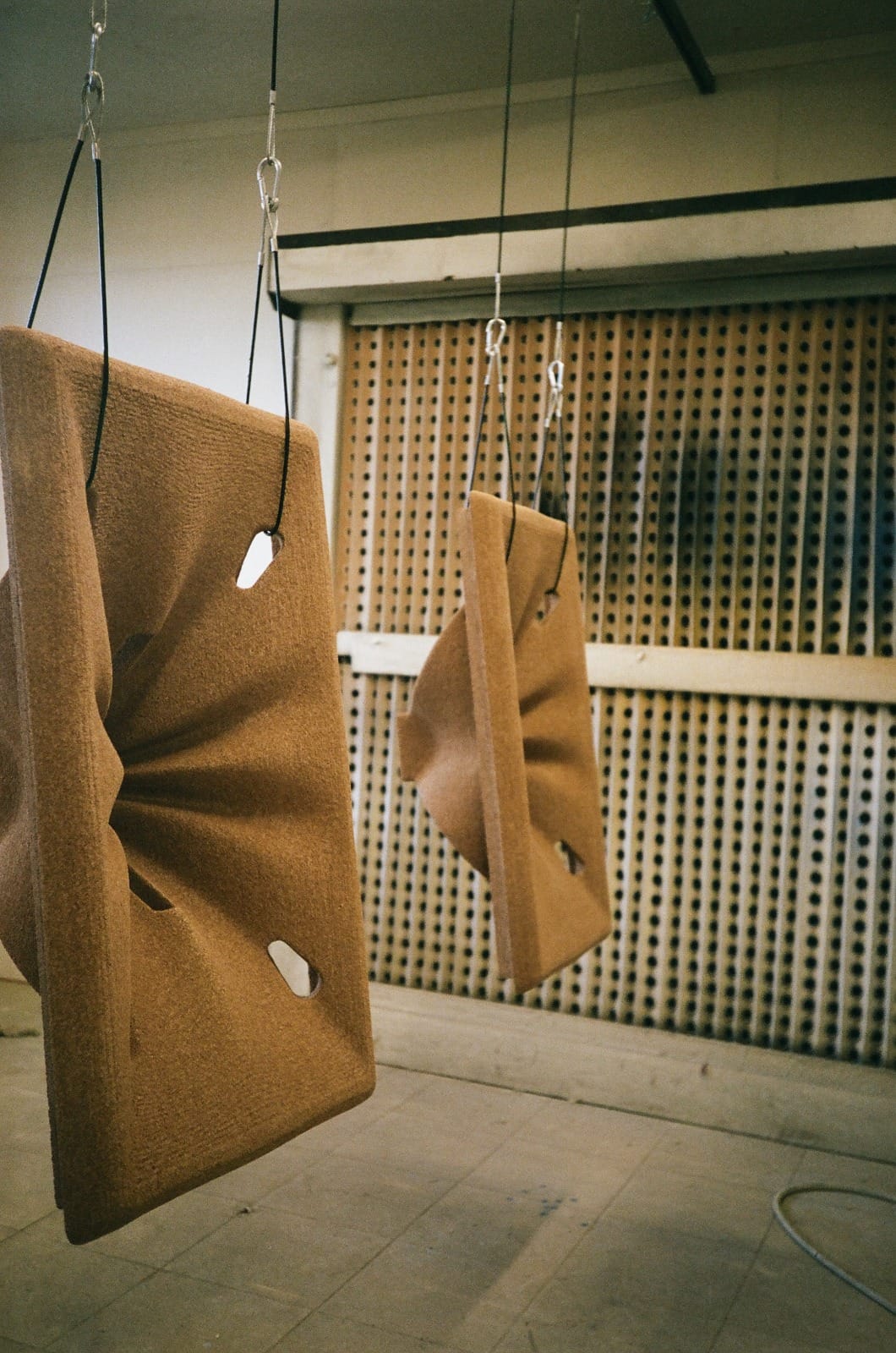
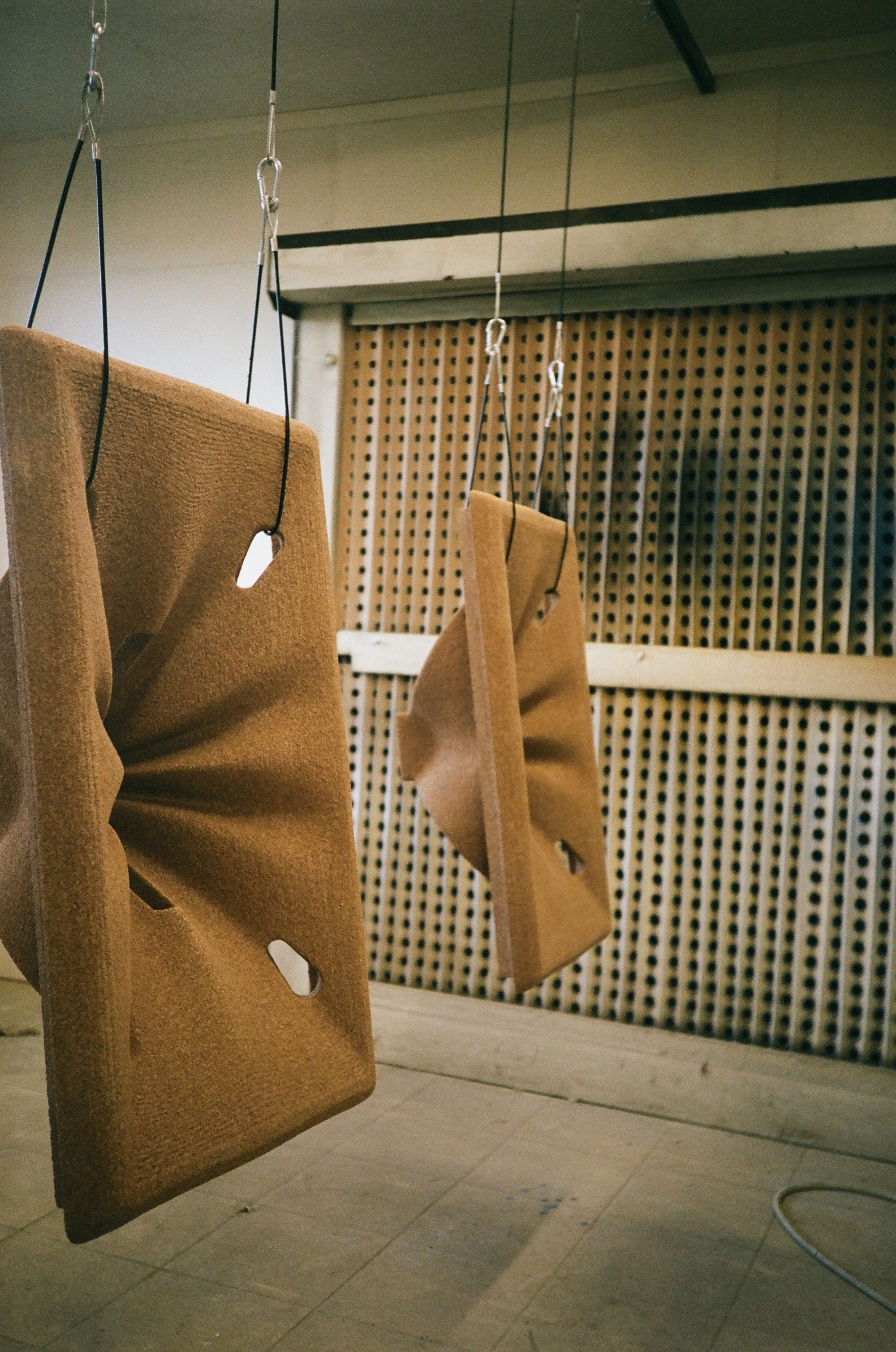
that project combined two things: designing the shape with an algorithm that simulates and optimises the geometry, producing curves only additive manufacturing can achieve, and manufacturing it by combining large-format 3D printing with CNC milling across two robotic arms. we produced two functional prototypes using large-scale binder jetting with wood fibres, the same speakers now hanging in the pos studio.
whichever method fits the project, the process stays the same.

projects
Wonder Cabinet & Radio alHara
based in Bethlehem, it is an experimental cultural and production platform that brings together architecture, design, sound, art, craft, industry, culinary practices, and other yet unexplored realms. at the heart of the building is the studio of Radio alHara.
pos will support the creation of their new soundsystem, built in Wonder Cabinet's own production facility with local artisans and craftspeople involved directly in the fabrication paired with public workshops open to residents, students and the wider Wonder Cabinet community on how a sound system is actually built.
dubble
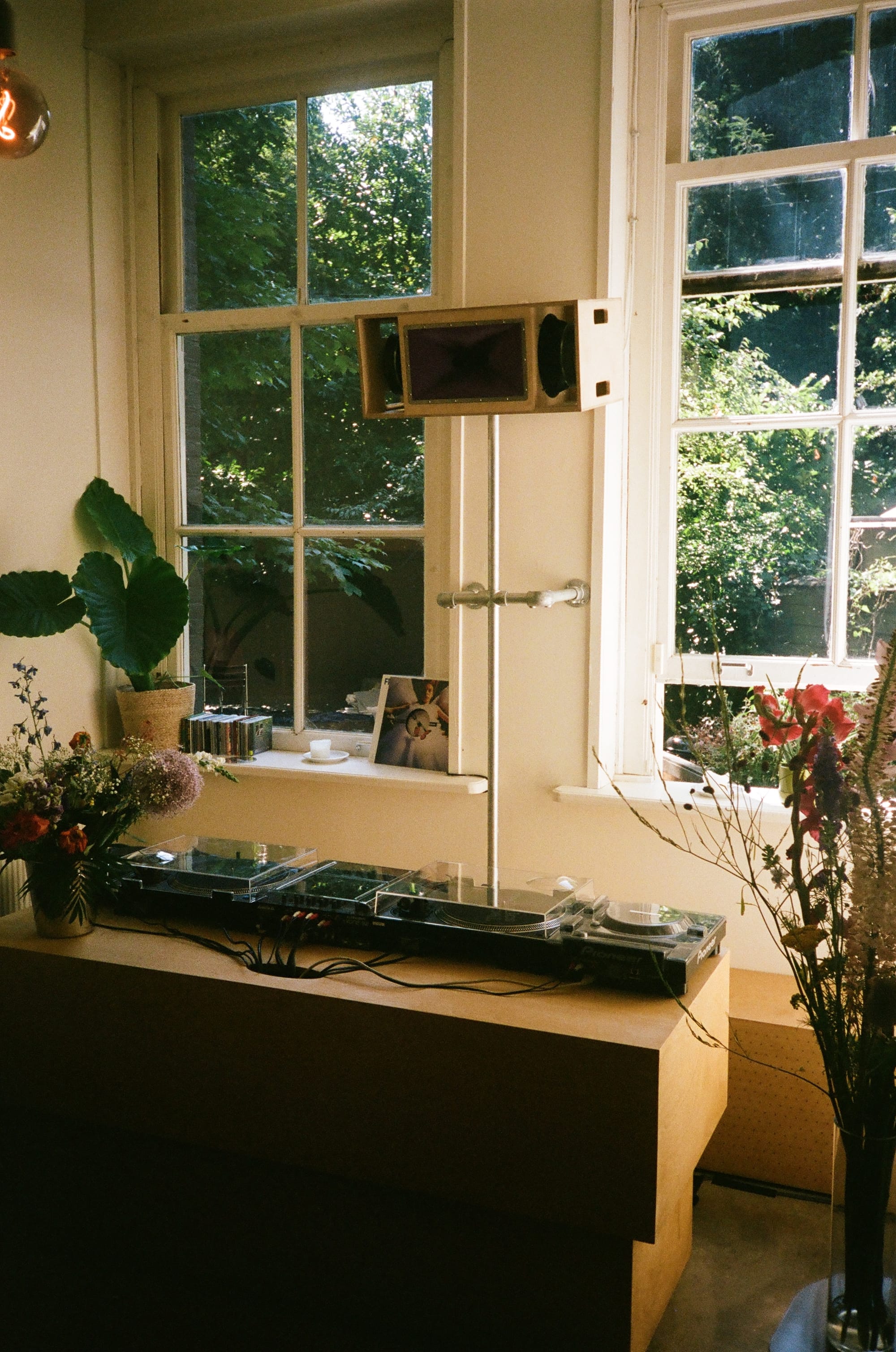
a listening cafe in Amsterdam West, our neighbours. with Kantarion Sound and Sonores Acoustics, we're designing two complementary systems in one space: hi-fi for introspective listening, lo-fi for the social, convivial side of a cafe.
Shunter
a new cultural space in Rotterdam-Zuid, open since May, with two rooms. the smaller one runs regularly on a custom pos system built for intimate concerts, experimental sound, and easy listening with the garden door open. the bigger room hosts occasional collective events, with a temporary installation alongside fellow soundsystems like Pattern or Kantarion Sound.
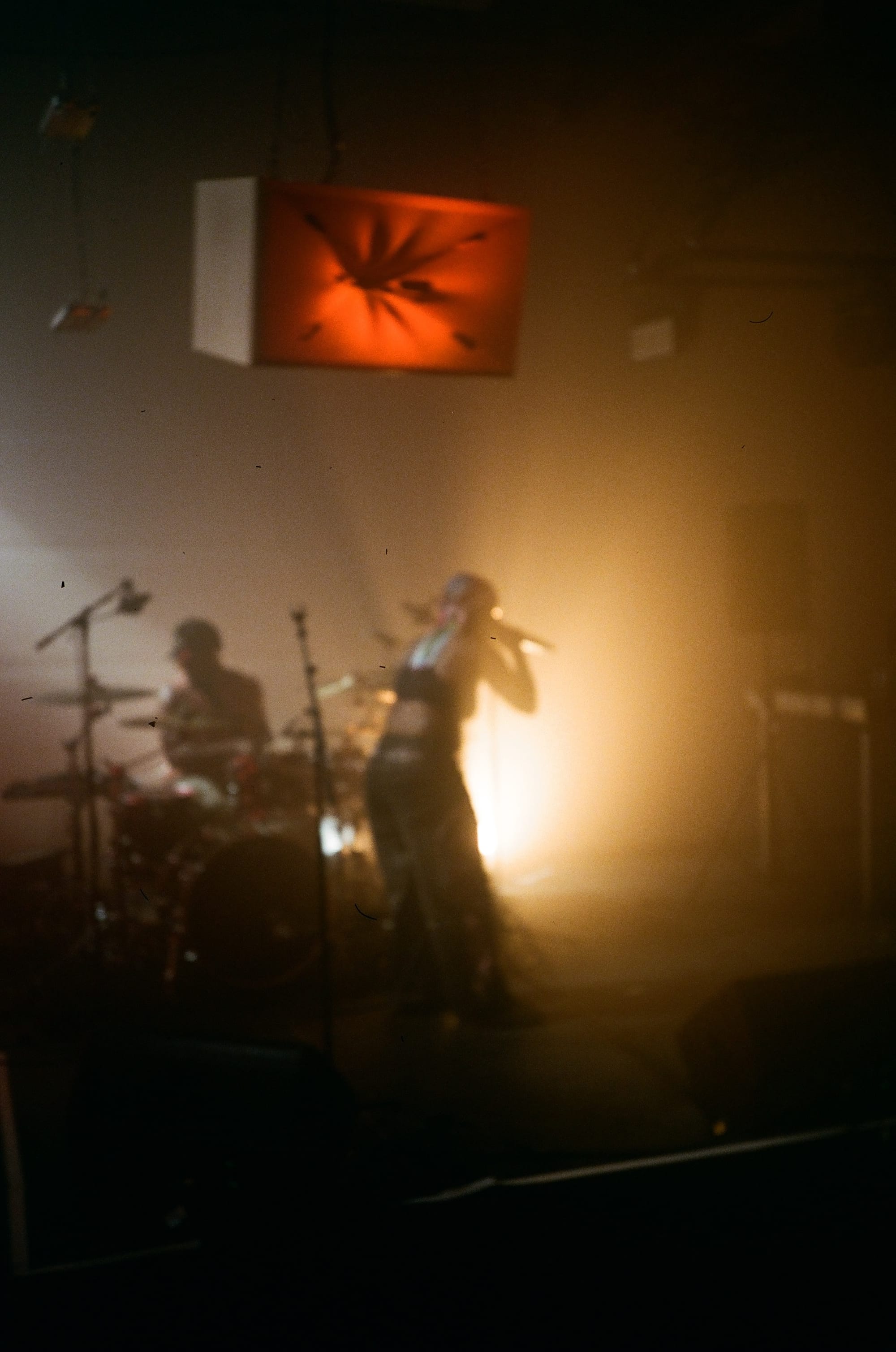
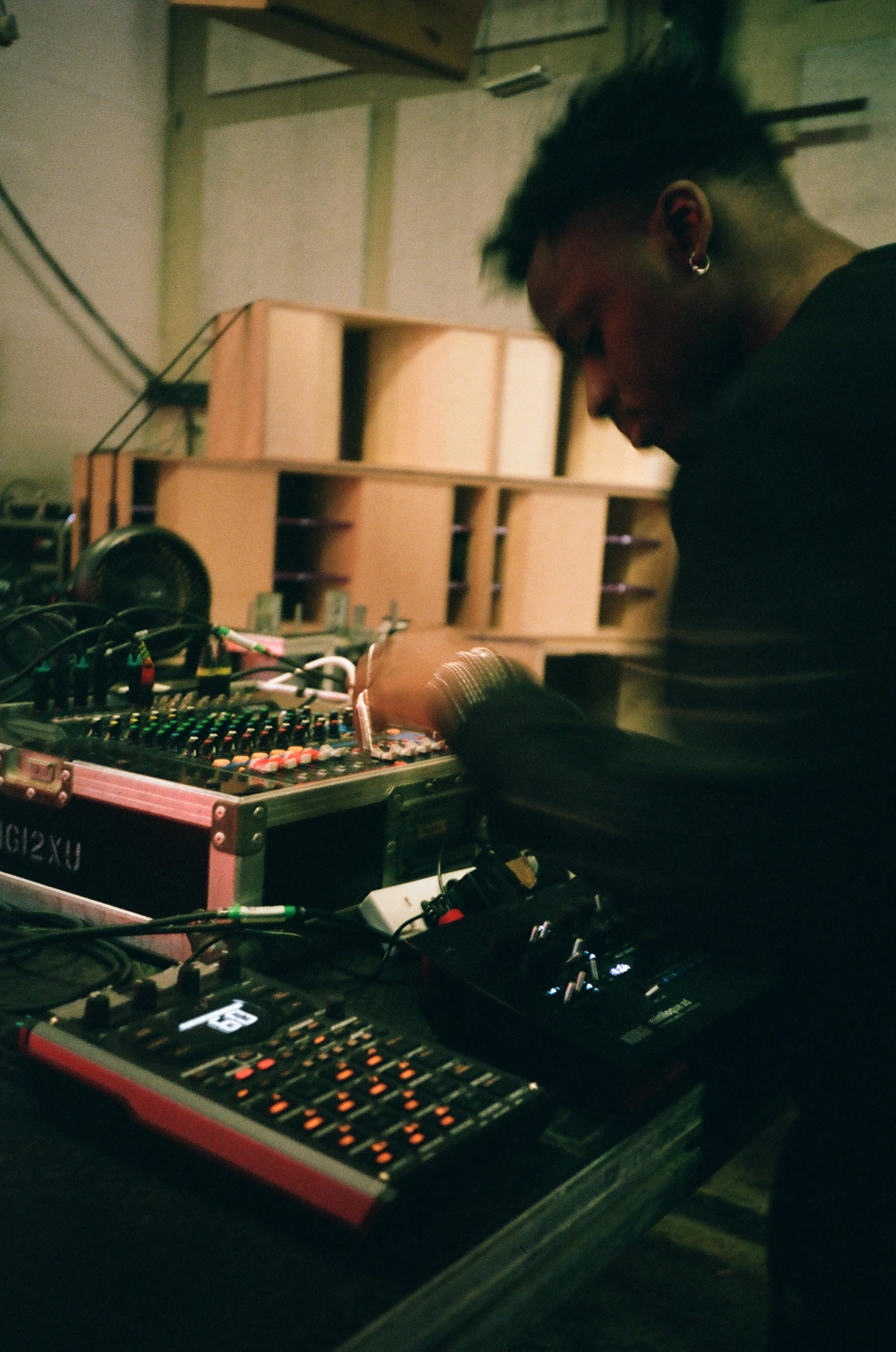
speakers at shunter, picture by Tom Venrooy
Offbeat
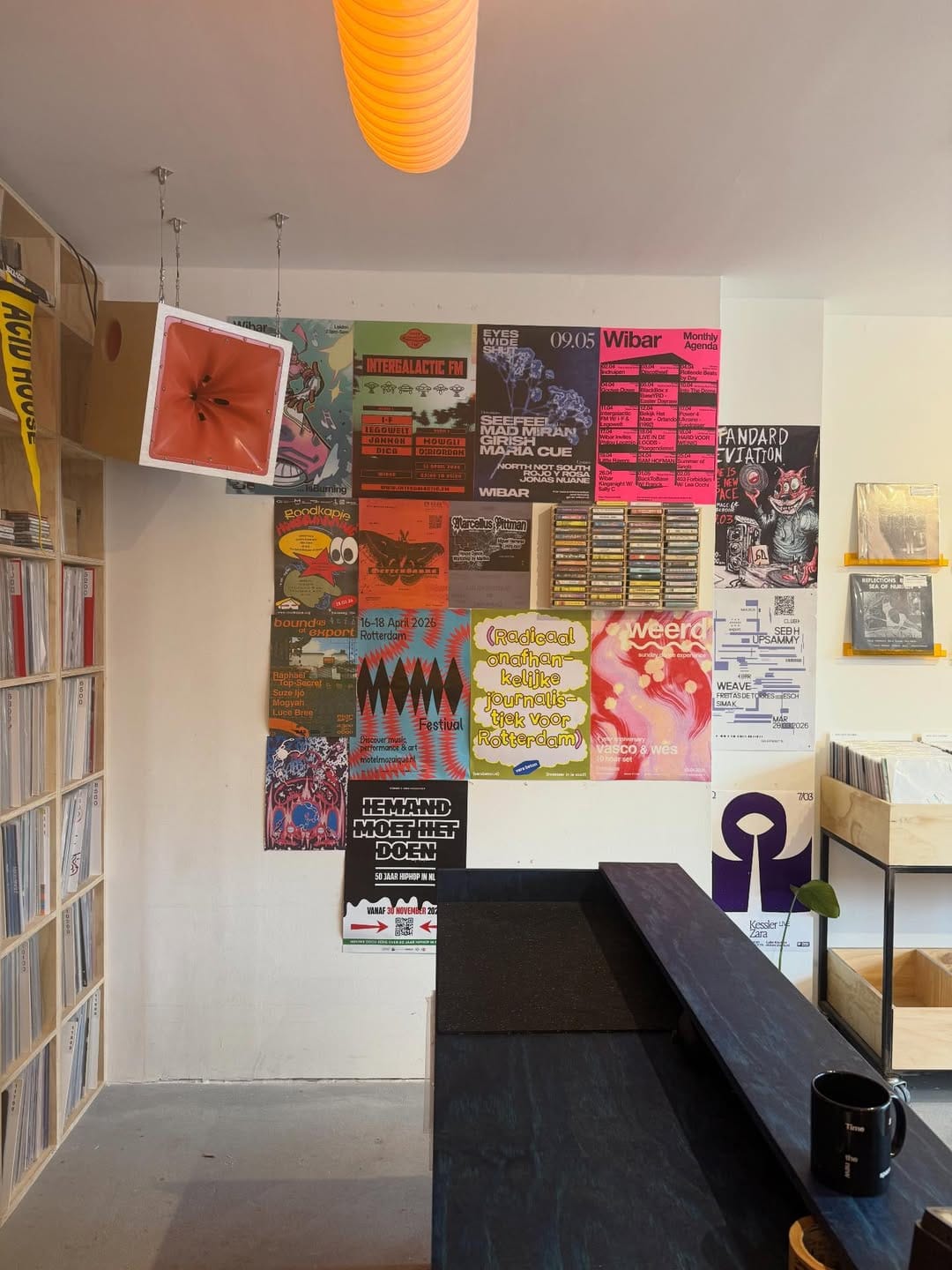
the first speakers found their home in Offbeat Records, Rotterdam. Boaz tells us more:
the store needed to perform for vibey, loud in-stores and please the discerning jazz listener hunting a first pressing. the sound fills the room evenly, ambient by day, more punch towards closing. people showcase records on the system to get a feel for how a track will land in a club, which is hard to judge at home or on headphones.
get in touch
we'd love to hear about your ideas and projects. from custom-made soundsystem to hosting sound at an event, or creating a knowledge exchange workshop, we're happy to think along.
for questions & inquiries: sound@possibilitiesopenstudio.com
if you want to read more about the project's philosophy, how it came about and its focus, you can find this in-depth editorial released earlier this year.
 possibilties open studio